digitalsolution

Blog

Your blog category

top-seo-techniques-that-will-work-in-2025
Blog

Top SEO Techniques That will Work In 2025

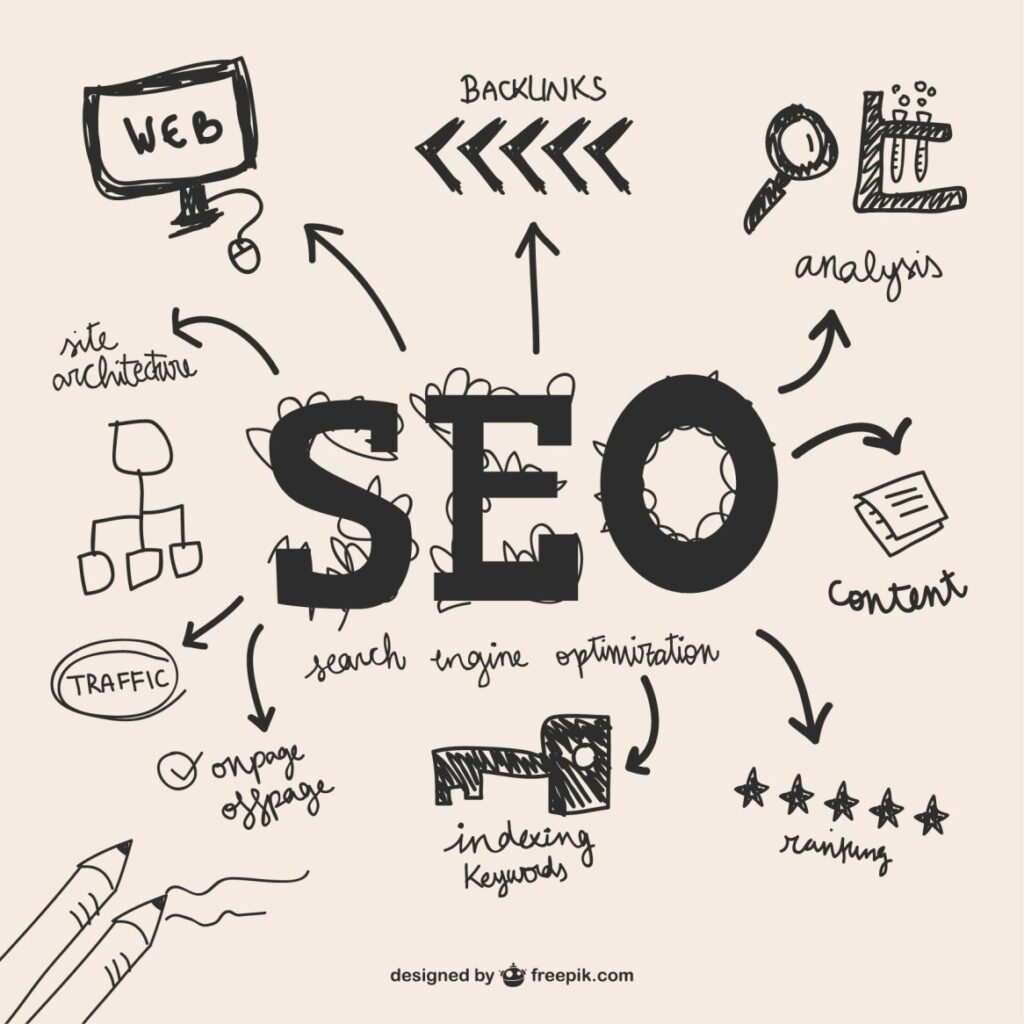
The world of search engine optimization has never stood still, and 2025 is proving that more than ever. Google’s search algorithms continue to evolve, artificial intelligence is changing how users search for information, and businesses are competing harder than ever for top rankings. Strategies that worked just a few years ago are no longer enough to secure consistent organic traffic. Today, success depends on understanding user intent, creating valuable content, and delivering an excellent website experience. Many website owners still believe that SEO is simply about inserting keywords into articles and building backlinks. While these elements still matter, modern SEO has become much more sophisticated. Search engines now evaluate the overall quality of a website, including page experience, content depth, technical performance, authority, and user satisfaction. If your website fails to meet these expectations, even the best-looking content may struggle to rank. The good news is that businesses willing to adapt can gain a significant advantage over competitors. Instead of chasing quick ranking tricks, successful marketers are focusing on long-term strategies that build trust with both users and search engines. These proven SEO Techniques not only improve rankings but also help attract visitors who are genuinely interested in your products or services. Whether you run a business website, an eCommerce store, a personal blog, or a digital marketing agency, understanding the latest SEO trends is essential for sustainable growth. Search engines reward websites that consistently publish useful content, maintain strong technical performance, and prioritize the needs of their visitors. In this guide, we’ll explore the most effective SEO Techniques that are expected to dominate in 2025. These strategies are based on current search engine trends and will help you build a stronger online presence while preparing your website for the future of search. Why SEO Is More Important Than Ever in 2025 Every day, billions of searches are performed on Google as people look for products, services, answers, and recommendations. Appearing on the first page of search results can dramatically increase your visibility, website traffic, and sales. However, competition has also become much stronger as more businesses invest in digital marketing. Search engines have one primary goal: delivering the best possible results for users. Every algorithm update aims to improve search quality by rewarding websites that provide genuine value while filtering out low-quality or manipulative content. Modern SEO is no longer about pleasing search engines alone. It focuses on satisfying real users. When visitors find your content helpful, spend more time on your website, and interact positively with your pages, search engines interpret these signals as indicators of quality. Businesses that embrace advanced SEO Techniques can build lasting authority in their industry. Instead of relying solely on paid advertising, they generate consistent organic traffic that continues growing over time. Understanding Search Intent Before Creating Content One of the biggest ranking factors in 2025 is understanding why users perform a particular search. Search engines have become increasingly effective at recognizing user intent, meaning they prioritize pages that answer questions more accurately than competitors. For example, someone searching “best digital marketing agency” is likely looking for service providers, while someone searching “what is digital marketing” wants educational information. Although both searches involve similar topics, the user’s intention is completely different. Successful SEO Techniques begin by identifying what your audience expects before writing any content. Every article should satisfy a specific search intent rather than trying to rank for dozens of unrelated keywords. When readers immediately find the answers they need, they stay on your website longer, explore additional pages, and are more likely to return. These positive engagement signals strengthen your website’s overall SEO performance. Create Helpful Content Instead of Keyword-Stuffed Articles Content remains the foundation of successful SEO, but the definition of quality has changed dramatically. Search engines no longer reward articles simply because they repeat keywords multiple times. Instead, they evaluate whether the content genuinely helps users solve their problems. The best SEO Techniques focus on creating comprehensive articles that answer important questions in simple language. Readers appreciate practical advice, real examples, updated information, and clear explanations more than overly promotional content. Before writing any article, ask yourself whether it provides something useful that competing websites don’t. Can you explain a concept more clearly? Can you share original insights or real-world experience? These improvements often make the difference between average and outstanding content. Well-structured articles with descriptive headings, short paragraphs, and natural language are easier to read. This improves user experience while helping search engines understand your content more effectively. Rather than publishing dozens of short articles, many successful websites now focus on creating fewer but much more detailed resources. This approach increases authority and encourages other websites to link naturally to your content. Focus on Topical Authority Instead of Individual Keywords In previous years, many websites created one article for every keyword variation. Today, search engines prefer websites that demonstrate expertise across an entire subject rather than isolated pages targeting single phrases. For instance, if your business specializes in digital marketing, publishing articles about SEO, social media marketing, PPC advertising, email marketing, content marketing, local SEO, technical SEO, and analytics builds topical authority. These related articles work together to strengthen your overall website. Search engines begin recognizing your website as an expert source within your niche. One of the smartest SEO Techniques for 2025 is building topic clusters. Instead of treating every article independently, connect related pages through internal links so users and search engines can easily navigate your content. This strategy not only improves rankings but also increases the amount of time visitors spend exploring your website. Optimize for Google’s AI-Powered Search Experience Artificial intelligence is transforming how people search online. Google increasingly uses AI to understand search queries, summarize information, and deliver highly relevant results. This means websites must focus on clarity rather than complexity. Your content should answer questions directly while providing additional detail for readers who want deeper information. Many successful SEO Techniques now involve writing conversational content that matches how people naturally ask
how-to-create-highly-targeted-ad-copies
Blog

How To Create Highly Targeted Ad Copies

In today’s competitive digital landscape, creating an advertisement that simply looks attractive is no longer enough. Consumers are exposed to thousands of ads every day across search engines, social media platforms, websites, mobile apps, and streaming services. With so much competition for attention, businesses have only a few seconds to capture a potential customer’s interest. This is where highly targeted ad copies become a game changer. A well-written ad copy doesn’t just sell a product or service—it speaks directly to the audience’s needs, emotions, and problems, encouraging them to take action. Many businesses spend significant amounts of money on advertising but fail to achieve the desired results because their messaging is too broad. A generic advertisement might reach thousands of people, but if it doesn’t connect with the right audience, the investment is wasted. Highly targeted ads, on the other hand, focus on a specific group of people and deliver a message that feels relevant, personal, and valuable. Writing effective ad copy is both an art and a science. It requires understanding your audience, researching their pain points, identifying what motivates them, and presenting your solution in a way that builds trust. The words you choose can influence whether someone ignores your advertisement or clicks to learn more. Modern advertising platforms such as Google Ads, Facebook Ads, Instagram Ads, LinkedIn Ads, and Microsoft Ads provide powerful targeting options that allow businesses to reach users based on demographics, interests, behaviors, locations, and online activities. However, even the best targeting settings cannot compensate for weak copywriting. The success of your campaign ultimately depends on how well your message resonates with the audience. Whether you’re promoting a local business, an eCommerce store, a SaaS product, or professional services, learning how to write highly targeted ads can dramatically improve your click-through rates, conversions, and return on investment. In this guide, you’ll discover the strategies professionals use to create compelling ad copies that capture attention, generate interest, and drive meaningful results. Understanding the Purpose of an Ad Copy Before writing any advertisement, it’s important to understand what an ad copy is designed to accomplish. Many people assume that advertisements are created solely to sell products, but successful ads have a much broader purpose. They attract attention, communicate value, solve a problem, and motivate readers to take the next step. An effective ad copy starts by identifying the customer’s challenge. Instead of focusing entirely on your product’s features, explain how your solution improves the customer’s life or business. People rarely purchase products because of technical specifications alone; they buy because they believe the product will help them achieve a desired outcome. Every advertisement should guide readers through a simple journey. First, it grabs their attention with an engaging headline. Then it builds curiosity by highlighting a problem or opportunity. Finally, it presents the solution and encourages immediate action through a compelling call-to-action. Great ad copy also creates an emotional connection. Whether you’re appealing to convenience, security, success, confidence, or happiness, emotions often influence purchasing decisions far more than logic alone. Why Highly Targeted Ads Perform Better Generic advertising attempts to appeal to everyone, but highly targeted ads focus on speaking directly to a specific audience. This targeted approach significantly increases engagement because readers feel that the advertisement was created specifically for them. Imagine two advertisements promoting digital marketing services. One simply says, “We offer professional marketing services.” Another says, “Generate more qualified leads for your local business with data-driven digital marketing strategies.” The second advertisement immediately communicates who it’s for and the benefit it provides. Targeted advertisements also improve advertising efficiency. Since the messaging aligns with audience interests, businesses typically experience higher click-through rates, lower cost per click, and better conversion rates. Another important advantage is trust. When customers feel understood, they’re more likely to believe your business understands their needs and can provide an effective solution. Know Your Audience Before You Write One of the biggest secrets behind successful ads is thorough audience research. Before writing a single sentence, you need to understand exactly who your ideal customer is. Start by identifying basic demographic information such as age, gender, occupation, location, education level, and income. While these details are useful, they only provide part of the picture. Effective advertising goes much deeper by understanding customer behavior, motivations, interests, challenges, and purchasing habits. Ask yourself what problems your audience experiences every day. What goals are they trying to achieve? What frustrations prevent them from reaching those goals? Understanding these questions allows you to create advertisements that feel relevant rather than promotional. For example, if you’re advertising SEO services to small business owners, your audience probably isn’t interested in complex technical explanations. They’re interested in getting more website visitors, increasing inquiries, and growing their business. Your messaging should focus on those outcomes rather than industry jargon. Customer reviews, online forums, social media comments, surveys, and competitor analysis are excellent sources of audience insights. The language customers naturally use often becomes the most persuasive language in your advertisements. Conduct Research Before Writing Professional copywriters rarely begin writing immediately. They spend considerable time researching the product, competitors, and target audience because effective ads are built on knowledge rather than assumptions. Understanding your competitors helps identify gaps in the market. If every competitor emphasizes low prices, you might focus on premium quality, exceptional customer support, or faster delivery instead. Research also helps uncover the questions customers frequently ask before making purchasing decisions. Addressing these concerns directly within your advertisement reduces hesitation and builds confidence. Search engine keyword research is another valuable resource. Knowing which words people use while searching for products or services allows you to create advertisements that match user intent. This is particularly important for search advertising platforms like Google Ads. The more information you collect before writing, the easier it becomes to create messaging that feels authentic, relevant, and persuasive. Writing Headlines That Instantly Capture Attention The headline is arguably the most important part of any advertisement. Even the best-written copy won’t perform well if the

how-to-use-social-media-marketing-effectively
Blog

How to Use Social Media Marketing Effectively

In today’s digital world, businesses are no longer limited to traditional advertising methods. Millions of people spend hours every day on social media platforms, making them one of the most powerful places for brands to connect with potential customers. Whether you own a small local business, an eCommerce store, or a growing startup, social media marketing has become an essential part of building brand awareness, increasing website traffic, and generating quality leads. The way people discover products and services has changed dramatically over the last decade. Instead of relying only on television commercials or newspaper advertisements, consumers now search for recommendations, reviews, and engaging content on platforms like Facebook, Instagram, LinkedIn, X (formerly Twitter), Pinterest, and TikTok. This shift has made businesses rethink their marketing strategies and invest more in building meaningful relationships with their audience through social media. However, simply creating social media accounts and posting occasionally isn’t enough. Many businesses struggle because they lack a clear strategy, consistency, or understanding of what their audience actually wants. Successful social media marketing requires planning, creativity, audience research, regular engagement, and continuous optimization based on performance data. One of the biggest advantages of social media is that it allows businesses to communicate directly with customers. Instead of one-way advertising, brands can answer questions, solve problems, receive feedback, and build trust in real time. This interaction creates stronger customer relationships that often lead to higher loyalty and repeat purchases. Another reason why social media has become so valuable is its affordability. Compared to traditional advertising, social media campaigns can deliver excellent results even with a limited budget. Organic content helps businesses grow naturally, while paid advertising provides precise targeting options that ensure marketing budgets are spent efficiently. In this guide, you’ll learn how to use social media marketing effectively, from choosing the right platforms and understanding your audience to creating engaging content and measuring success. By following these proven strategies, you can build a stronger online presence and achieve long-term business growth. What is Social Media Marketing? Social media marketing is the process of promoting a business, product, or service through social networking platforms to attract, engage, and convert potential customers. It involves creating valuable content, interacting with followers, running paid advertisements, collaborating with influencers, and analyzing campaign performance to improve results over time. Unlike traditional marketing, social media encourages two-way communication. Customers can like, comment, share, send messages, and participate in discussions, making the relationship between brands and consumers much more personal. Modern social media marketing is not just about selling products. It is about educating your audience, entertaining them, solving their problems, and building trust before asking for a purchase. Businesses that consistently provide value often experience better engagement and stronger customer loyalty. Every platform serves a slightly different purpose. Instagram focuses heavily on visual content, LinkedIn is ideal for B2B networking, Facebook supports community building, Pinterest drives inspiration and website traffic, while TikTok specializes in short-form video content. Choosing the right platforms depends on where your target audience spends most of their time. Why Social Media Marketing Matters The popularity of social media continues to grow every year. Billions of users actively browse social platforms daily, creating endless opportunities for businesses to reach new audiences. One of the greatest strengths of social media marketing is its ability to increase brand awareness. Even if users don’t immediately purchase your products, consistent visibility helps them remember your brand. When they eventually need your services, your business is far more likely to be their first choice. Social media also improves customer engagement. Responding quickly to comments and messages demonstrates that your business values its customers. This interaction builds credibility and encourages people to trust your brand. Another significant benefit is website traffic. Every valuable post, blog article, product launch, or promotional campaign can direct interested users to your website, increasing the chances of conversions. Social media also supports search engine optimization indirectly. Although social signals are not direct ranking factors, popular content often attracts backlinks, increases brand searches, and improves overall online visibility, which contributes to stronger SEO performance. Perhaps the biggest advantage is the ability to target highly specific audiences through paid advertising. Businesses can create campaigns based on age, location, interests, behaviors, education, profession, purchasing habits, and many other demographic factors, ensuring that advertisements reach people most likely to become customers. Understanding Your Target Audience Before creating any content, it’s important to understand exactly who you’re trying to reach. Effective social media marketing begins with knowing your audience’s interests, challenges, goals, and online behavior. Instead of trying to attract everyone, focus on identifying your ideal customer. Consider factors such as age, gender, occupation, location, hobbies, income level, and purchasing behavior. These insights help create content that feels relevant and valuable. Audience research can be performed using platform analytics, customer surveys, website data, competitor research, and customer feedback. The more information you gather, the easier it becomes to create personalized marketing campaigns. For example, a digital marketing agency targeting business owners will create educational content about SEO, paid advertising, lead generation, and branding. Meanwhile, a fashion retailer may focus on styling tips, seasonal trends, and product showcases. Understanding customer pain points is equally important. When your content addresses real problems and offers practical solutions, people naturally engage with your brand and begin to trust your expertise. Choosing the Right Social Media Platforms One common mistake businesses make is trying to be active on every social media platform simultaneously. Instead, successful social media marketing focuses on the platforms where the target audience is most active. Facebook remains one of the most versatile platforms for businesses of all sizes. It supports images, videos, groups, live streaming, events, and targeted advertising, making it ideal for building communities and promoting products. Instagram is perfect for visually appealing businesses. Brands in fashion, food, travel, photography, beauty, fitness, and interior design often perform exceptionally well because users expect high-quality images and short videos. LinkedIn is the leading platform for B2B companies. Professionals use it to network,

How-To-Generate-Free-Traffic-Within-20-Days-Of-Less
Blog

How To Generate Free Traffic Within 20 Days Of Less

Generating free traffic is one of the biggest challenges for beginners who have just launched a website, blog, or online business. Many people think they need to spend thousands of dollars on paid ads before they can get visitors, but that’s not true. With the right strategy, you can start attracting targeted visitors without spending money. How to Generate Free Traffic Within 20 Days (Beginner’s Step-by-Step Guide) Generating free traffic is one of the biggest challenges for beginners who have just launched a website, blog, or online business. Many people think they need to spend thousands of dollars on paid ads before they can get visitors, but that’s not true. With the right strategy, you can start attracting targeted visitors without spending money. The secret is consistency. Instead of trying dozens of different marketing techniques at once, focus on a few proven methods and follow them every day. If you spend just 1–2 hours daily on the right activities, you can begin seeing measurable results within 20 days. In this guide, you’ll learn practical strategies to generate free traffic quickly, improve your website’s visibility, and build long-term organic growth. Why Free Traffic Matters Free traffic refers to visitors who come to your website without you paying for advertisements. These visitors can come from search engines, social media platforms, online communities, email marketing, and referrals. Benefits of free traffic include: Although free traffic requires effort and patience, it creates long-lasting results that continue working for months or even years. Can You Really Get Free Traffic in 20 Days? Yes—but your expectations should be realistic. Within 20 days you can: The more consistently you follow these methods, the faster your results will improve. Day 1–3: Optimize Your Website Before promoting your website, make sure it’s ready for visitors. Improve Website Speed A slow website causes visitors to leave immediately. Tips: Make Your Website Mobile Friendly Most users browse on mobile devices. Ensure your website looks great on every screen size. Secure Your Website Install an SSL certificate (HTTPS) to improve trust and SEO. Day 4–6: Publish High-Quality Content Content is the foundation of free traffic. Write articles that solve real problems. Examples: Aim for articles between 1,500–3,000 words. Include: Day 7–9: Master Keyword Research Don’t write random content. Instead, find keywords people actually search for. Look for: Example: Instead of: Digital Marketing Write: Long-tail keywords rank much faster. Day 10–12: Optimize Every Article for SEO Search Engine Optimization helps Google understand your content. Checklist: ✔ Focus keyword in title ✔ Focus keyword in first paragraph ✔ Keyword in URL ✔ Meta description ✔ Image ALT text ✔ H2 and H3 headings ✔ Internal links ✔ External authority links ✔ Mobile-friendly formatting Avoid keyword stuffing. Write naturally. Day 13–14: Use Pinterest Pinterest acts like a visual search engine. Create eye-catching pins for every blog post. Include: Post several fresh pins consistently. Day 15: Share Content on Social Media Promote every article on: Don’t just share links. Create: These formats attract more engagement. Day 16: Answer Questions Online People constantly ask questions online. Answer them on: Provide genuine value. Only share your website when it’s relevant. Never spam. Helpful answers often generate steady referral traffic. Day 17: Build Internal Links Internal linking improves SEO and user experience. Every article should link to other relevant pages. Benefits include: Day 18: Improve Click-Through Rate Even if you rank well, people must click. Write compelling titles like: Use numbers and clear benefits. Day 19: Build Backlinks Backlinks remain one of Google’s strongest ranking factors. Free methods include: Guest posting Directory submissions Resource pages Business listings Networking with bloggers Creating share-worthy content Quality matters more than quantity. Day 20: Analyze and Improve Use analytics to identify: Improve underperforming content by: SEO is an ongoing process. Additional Free Traffic Strategies Create YouTube Shorts Convert your blog into short videos. Include your website link in the description. Start Email Marketing Offer a free checklist or guide. Collect email subscribers. Send useful updates regularly. Email marketing drives repeat visitors. Repurpose Your Content Turn one article into: This multiplies your reach. Improve User Experience Visitors stay longer when your website is easy to navigate. Use: Happy users help improve SEO. Update Old Content Refreshing older posts can improve rankings. Add: Google favors updated content. Common Mistakes to Avoid Many beginners delay their growth by making simple mistakes. Avoid: Consistency always wins. 20-Day Action Plan Week 1 Week 2 Week 3 Repeat this cycle every month for continuous growth. Final Thoughts Generating free traffic isn’t about finding a secret shortcut—it’s about following proven strategies consistently. Focus on publishing valuable content, optimizing your website for search engines, promoting your work on social media, and engaging with online communities. Even if you don’t see huge numbers immediately, every article, backlink, and social share builds momentum. Within 20 days, you can lay a strong foundation for long-term success. Keep learning, track your progress, and continue improving your content. Over time, your website can attract a steady stream of visitors without relying on paid advertising. If you stay consistent, free traffic can become one of the most valuable assets for growing your website and your online business. Frequently Asked Questions (FAQs) 1. What is free traffic? Free traffic refers to website visitors who arrive through unpaid sources such as search engines, social media, referrals, forums, and email marketing. 2. Can beginners generate free traffic? Yes. Beginners can generate free traffic by creating helpful content, optimizing it for SEO, promoting it on social media, and engaging with online communities consistently. 3. How long does it take to see results? Some traffic sources, like social media and forums, can bring visitors within days. Search engine traffic usually takes longer, but low-competition keywords may begin showing results within a few weeks. 4. Is SEO necessary for free traffic? Yes. SEO helps search engines understand your content and improves your chances of ranking higher in search results, leading to consistent free traffic. 5. What is the best free traffic source?

10-Ways-To-Generate-High-Traffic-on-the-Digital-marketing-Website
Blog, digital marketing

10 Ways To Generate High Traffic on the Digital marketing Website

In today’s competitive online landscape, simply launching a website is not enough. With millions of websites competing for attention, businesses need a well-planned digital marketing strategy to attract visitors, engage potential customers, and convert them into loyal clients. Website traffic is one of the most important indicators of online success, as it directly influences brand awareness, lead generation, and sales. 10 Digital Marketing Tips to Drive Massive Traffic to Your Website A high-traffic website doesn’t happen by chance—it is the result of consistent effort, quality content, search engine optimization (SEO), and strategic digital marketing practices. Whether you’re a startup, a small business, or an established brand, implementing the right digital marketing techniques can help you reach your target audience and improve your online visibility. The key is to focus on methods that deliver sustainable, long-term growth rather than relying on short-term tactics.One of the biggest advantages of digital marketing is its ability to connect businesses with potential customers at every stage of their buying journey. From optimizing your website for search engines to leveraging social media platforms, email campaigns, and paid advertising, every digital marketing channel plays a crucial role in driving relevant traffic. When these strategies are combined effectively, they create a strong online presence that consistently attracts visitors. 1. Smart Digital Marketing Strategies to Get More Organic Website Traffic However, generating traffic through digital marketing is not just about increasing visitor numbers—it is about attracting the right audience. High-quality traffic consists of users who are genuinely interested in your products or services and are more likely to engage with your content or make a purchase. By focusing on user experience, valuable content, and data-driven digital marketing strategies, businesses can achieve better engagement and higher conversion rates. In today’s fast-paced online world, having a website is no longer enough to grow your business. Millions of websites compete for attention every day, making it essential to implement effective digital marketing strategies that help your business stand out. Whether you run an eCommerce store, a local business, a startup, or a personal blog, attracting consistent website traffic is the foundation of online success. Website traffic is more than just numbers on your analytics dashboard. The right visitors can become subscribers, leads, and loyal customers. However, generating high-quality traffic requires a strategic approach that combines search engine optimization (SEO), content marketing, social media, email campaigns, and user experience. Businesses that invest in digital marketing are more likely to build brand awareness, improve search engine rankings, and increase conversions over time. The good news is that driving traffic doesn’t always require a massive advertising budget. With the right digital marketing techniques, you can attract targeted visitors organically while building long-term authority in your industry. From creating valuable content to optimizing your website for search engines, every effort contributes to sustainable business growth. In this guide, you’ll discover ten proven digital marketing tips that can significantly increase your website traffic. Whether you’re just starting your online journey or looking to scale your existing website, these strategies will help you reach more people and achieve measurable results. 1. Build a Strong SEO Foundation Search Engine Optimization (SEO) is the backbone of successful digital marketing. If your website isn’t optimized for search engines, potential customers may never discover your business. Start by conducting keyword research using tools like Google Keyword Planner, Ahrefs, or SEMrush. Identify keywords your audience is actively searching for and naturally include them in your content. SEO Best Practices Google rewards websites that provide valuable content and an excellent user experience. When your SEO is strong, your digital marketing efforts become much more effective. 2. Create High-Quality Content Consistently Content remains one of the most powerful tools in digital marketing. Every blog post, video, infographic, or guide gives your audience another opportunity to discover your business. Instead of publishing random articles, focus on solving your audience’s problems. Examples include: Each article should provide real value rather than simply targeting keywords. Content Tips Publishing quality content consistently increases organic traffic and builds authority over time. 3. Focus on Long-Tail Keywords Many businesses compete for broad keywords, making it difficult to rank. Instead, successful digital marketing strategies often target long-tail keywords. Instead of targeting: Digital Marketing Target: Digital marketing strategies for small businesses Long-tail keywords: Answer specific user questions to capture highly qualified traffic. 4. Optimize Your Website for Mobile Users More than half of all internet users browse websites using smartphones. A mobile-friendly website is essential for successful digital marketing. Ensure your website: Google uses mobile-first indexing, meaning mobile optimization directly impacts your rankings. 5. Use Social Media Strategically Social media is one of the most effective digital marketing channels for increasing website traffic. Choose platforms where your audience spends time: Instead of only promoting products, share: Encourage discussions and respond to comments to build an engaged community. 6. Invest in Email Marketing Email marketing continues to deliver one of the highest returns in digital marketing. Build an email list by offering: Send valuable newsletters that include: Personalized email campaigns generate repeat visitors and increase customer loyalty. 7. Improve Website Speed Website speed directly affects user experience and SEO rankings. A slow website causes visitors to leave before exploring your content. Ways to improve speed: Fast-loading websites encourage visitors to browse more pages and reduce bounce rates. 8. Earn High-Quality Backlinks Backlinks remain a critical ranking factor in digital marketing. Quality backlinks tell search engines that your website is trustworthy. Effective backlink strategies include: Avoid purchasing backlinks, as they may lead to Google penalties. 9. Use Video Marketing Video content has become one of the fastest-growing areas of digital marketing. Create: Upload videos to YouTube and embed them within your blog posts to increase engagement and time on page. 10. Analyze and Improve Your Performance The best digital marketing strategies evolve based on data. Monitor metrics such as: Use tools like: Regular analysis helps identify opportunities for continuous improvement. Common Mistakes to Avoid Many businesses fail to generate traffic because they: Avoiding these

Scroll to Top